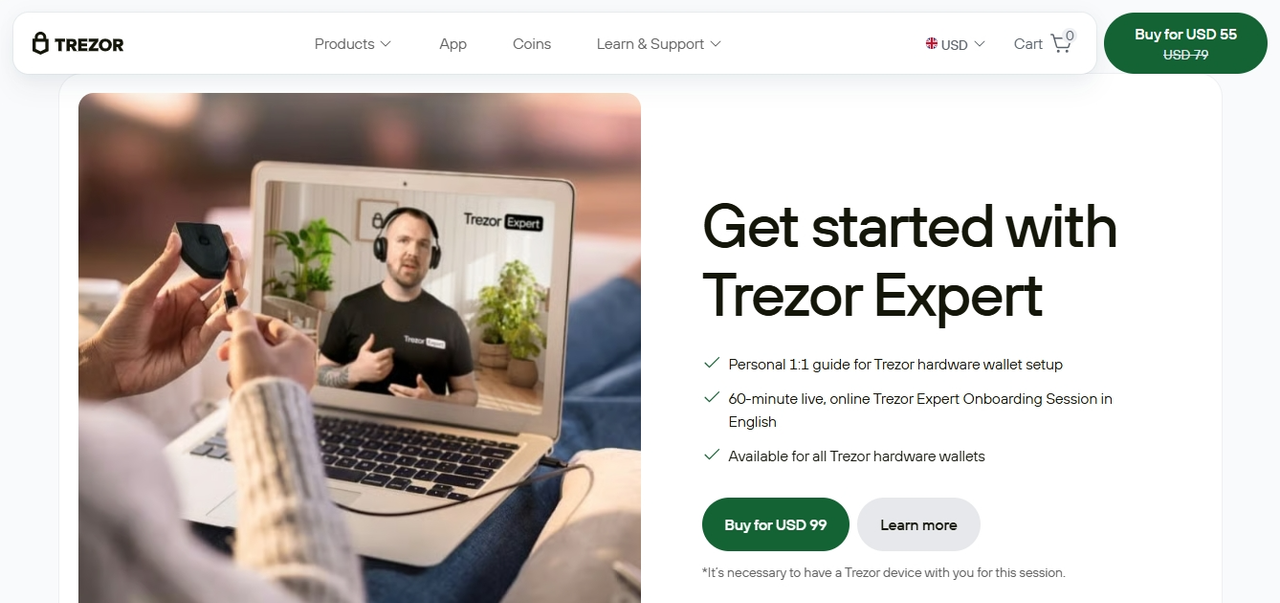
Welcome to Trezor.io/start
Trezor.io/start is the official starting point for securely setting up and using your Trezor hardware wallet. Whether you are new to cryptocurrency or already familiar with digital assets, this guide will help you initialize your device, secure your funds, and confidently manage your crypto.
Trezor hardware wallets are designed to keep your private keys offline and safe from online threats. By following this guide, you’ll ensure your device is genuine, your recovery seed is securely stored, and your wallet is ready to use.
Why Use a Trezor Hardware Wallet
In the world of cryptocurrency, security is paramount. Software wallets are convenient but vulnerable to malware, phishing, and hacking. Trezor hardware wallets provide a solution by keeping your private keys offline, completely isolated from your computer or smartphone.
Key benefits of using Trezor include:
Full ownership of your crypto: Only you control your private keys and funds.
Offline security: Protects your assets from online threats.
Secure transaction verification: Transactions must be confirmed physically on the device.
Multi-asset support: Manage Bitcoin, Ethereum, and hundreds of other cryptocurrencies.
Trezor empowers you to practice true self-custody, meaning your funds are always in your control.
What You Need Before You Begin
Before starting, gather the following:
Your Trezor hardware wallet (Trezor One or Trezor Model T)
A computer or smartphone with internet access
The official Trezor Suite software installed
A safe, private space for setup
Security tip: Avoid public Wi-Fi networks or shared computers during setup to minimize risk.
Step 1: Download Trezor Suite
Trezor Suite is the official companion app for your Trezor device. It allows you to manage accounts, send and receive crypto, track balances, and update your hardware securely.
Download Trezor Suite from the official website: https://suite.trezor.io
Install the app on your computer or mobile device.
Important: Never download Trezor Suite from third-party websites or links from emails, social media, or ads, as these may be phishing attempts.
Step 2: Connect Your Trezor Device
Once Trezor Suite is installed:
Connect your Trezor device to your computer or mobile device using a USB cable (USB-C for Trezor Model T).
Open Trezor Suite, which will recognize your device and guide you through the setup process.
During this step, the device verifies that it is genuine, ensuring your hardware has not been tampered with.
Step 3: Initialize Your Device
Trezor Suite will guide you through initializing your device. You will choose between:
Creating a new wallet: Generate a new recovery seed and PIN for a completely new setup.
Restoring an existing wallet: Input your existing recovery seed if you already have a Trezor wallet.
Next, you will:
Set a PIN code to protect your device from unauthorized access.
Generate and securely store your recovery seed, which is your backup for restoring your wallet.
Step 4: Secure Your Recovery Seed
Your recovery seed is the most important part of your crypto security. It is a list of 12, 18, or 24 words generated by your Trezor device that can restore your wallet if your device is lost, damaged, or stolen.
Security rules for your recovery seed:
Write it down on the card provided by Trezor.
Store it offline in a secure location, like a safe.
Never photograph or digitally store your seed.
Never share it with anyone—Trezor staff will never ask for it.
Treat your recovery seed as the master key to your funds. Without it, you cannot recover your wallet.
Step 5: Optional Passphrase for Extra Security
Trezor allows you to add a passphrase to your wallet. This acts as a hidden wallet in addition to your recovery seed, providing an extra layer of protection.
If you choose a passphrase, it must be entered every time you unlock the wallet.
Even if someone has your recovery seed, they cannot access the hidden wallet without the passphrase.
Passphrases are optional but highly recommended for users seeking maximum security.
Step 6: Verify Your Device
After recording your recovery seed, your Trezor device will ask you to confirm it by selecting the correct words. This ensures you wrote it down accurately.
Trezor Suite will also verify your device’s authenticity. Confirming your device is genuine is a critical step for preventing tampered hardware.
Step 7: Add Accounts and Manage Crypto
Once your device is set up, you can begin adding cryptocurrency accounts through Trezor Suite:
Add accounts for supported cryptocurrencies like Bitcoin, Ethereum, and many altcoins.
Manage multiple accounts under one interface for a unified portfolio view.
Send and receive crypto securely—transactions must be confirmed on your Trezor device.
Step 8: Monitor Your Portfolio
Trezor Suite provides a full portfolio overview:
Total value of your crypto holdings in your preferred fiat currency.
Distribution of assets across different cryptocurrencies.
Historical transaction history for tracking performance.
This allows you to make informed decisions and manage your investments effectively.
Step 9: Maintain Device Security
Regular maintenance of your Trezor device is crucial:
Update firmware through Trezor Suite to access the latest security features.
Remove or install apps for new cryptocurrencies safely.
Confirm all transactions directly on your device to prevent malware interference.
Security Best Practices
Even with Trezor’s security features, users must follow best practices:
Always verify software sources: Download Trezor Suite from official sources only.
Protect your PIN and passphrase: Never share them.
Secure your recovery seed offline: Do not store digitally.
Verify every transaction on the device: Do not approve transactions solely on your computer.
Be cautious with phishing attempts: Do not click suspicious links claiming to be Trezor.
Following these practices ensures your crypto remains secure from hacking, phishing, and malware.
Troubleshooting and Support
If you experience issues:
Use the Trezor support site for guides and FAQs.
Ensure your device firmware and Trezor Suite are up to date.
Only contact Trezor through official channels.
Avoid third-party support sites or emails, which may be scams.
Why Trezor Security Matters
Trezor’s security model ensures your private keys never leave your hardware device. Even if your computer is compromised, malware cannot access your funds. By combining device security with Trezor Suite, optional passphrases, and PIN protection, your assets remain safe.
Self-custody through Trezor means that you—not an exchange or third party—control your crypto. This is the most reliable way to protect your digital assets.
Start Your Crypto Journey
Trezor.io/start is your official gateway to secure cryptocurrency management. By following these steps, you can set up your Trezor device confidently, manage multiple wallets, track your portfolio, and interact with the crypto ecosystem safely.
Take your time, prioritize security, and verify every transaction. With Trezor, your crypto remains in your hands, safe and under your control.
Your journey into cryptocurrency begins securely at Trezor.io/start—your gateway to self-custody, control, and peace of mind.